
What Is Soil Stabilization?

Soil stabilization is used to make weak or moisture-sensitive native soil strong and stable enough to support roads, building pads, and other structures. This is often done during pre-construction site prep on subdivisions and commercial sites.
When you have a development project, soil stabilization is important because it stabilizes weak or moisture-sensitive soil so it can support roads and buildings. In North Carolina, this often leads to mixing Portland cement or quicklime into wet Piedmont subgrade. This process helps build strength, which is exactly what you want in a development project.
It’s important to note that soil stabilization is different from compaction, which increases density. Stabilization works to change the soil’s properties so it remains stable when wet.
When you choose Wynn Site Development for the project, we have the proper equipment to get the job done right.
Why North Carolina Soils Need Stabilization
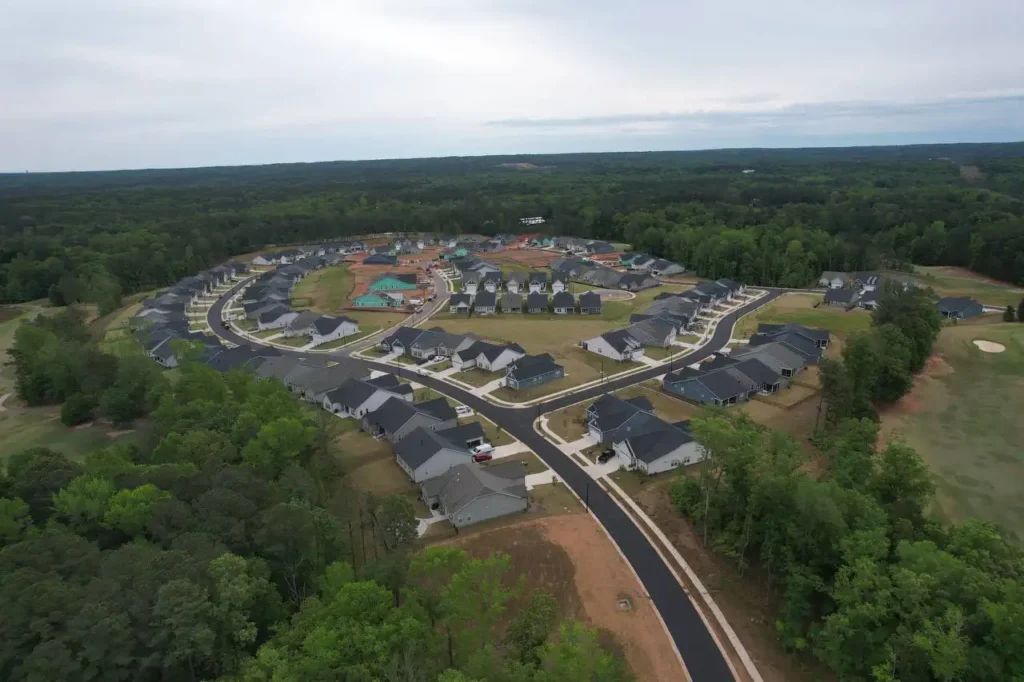
North Carolina’s diverse geography, stretching from the steep Blue Ridge Mountains to the sandy Atlantic coast, has an environment that makes soil stabilization essential for safety. North Carolina needs soil stabilization to prevent erosion and protect its waterways from sediment pollution.
In the Piedmont and mountain regions, the ground is dense with heavy, fine-grained clay. This type of soil is highly susceptible to the shrink-swell cycle. The state’s frequent heavy rainfall, intense spring wet seasons, and coastal hurricanes trigger rapid soil erosion and dangerous landslides on sloped terrains.
To combat these unstable conditions, engineers and contractors use chemical additives such as lime and cement. This process draws out excess moisture and increases load-bearing capacity. Soil stabilization protects local waterways from heavy sediment runoff.
Skipping soil stabilization in North Carolina is not a good idea, as unstable ground without proper treatment can lead to cracked foundations, buckled driveways, and severe erosion.
Portland Cement vs. Quicklime: Choosing the Right Method
At Wynn Site Development, we can help you choose whether Portland cement or quicklime is best suited for your project. Each does a different job, so it’s important to understand your options.
What is Quicklime?
Lime stabilization involves adding calcium-rich compounds, such as hydrated lime or quicklime, to the soil. It is best for clay-heavy soils. It reduces shrinking and swelling and dries out wet ground quickly. This is the type that is more common in the Piedmont region of NC. It reacts with the clay, reducing plasticity and drying out the soil.

What is Portland Cement?
Cement stabilization typically uses Portland cement. It is mixed with water and the native the native soil. It is best for granular soils, sands, and gravel. Cement stabilization acts as a permanent binder. When you choose Wynn Site Development, we have the proper in-house equipment to get the job done.
Comparison table of Quicklime vs. Portland Cement:
| Comparison Feature | Portland Cement Stabilization | Quicklime Soil Treatment |
| Best Soil Type | Granular / low-plasticity soils | High-plasticity clay (common in the NC Piedmont) |
| Primary Effect | Rapid strength gain | Cuts plasticity and dries wet subgrade, followed by long-term strength |
| Typical Rate (by dry weight) | ~3% – 10% | ~3% – 7% |
| Strength-Gain Speed | Fast | Slower (requires a mellowing period) |
| Best NC Use Case | Building pads, parking lots, and pavement bases on tight schedules | Wet red-clay subgrade remediation and drying |
Where Soil Stabilization Applies in NC Site Development
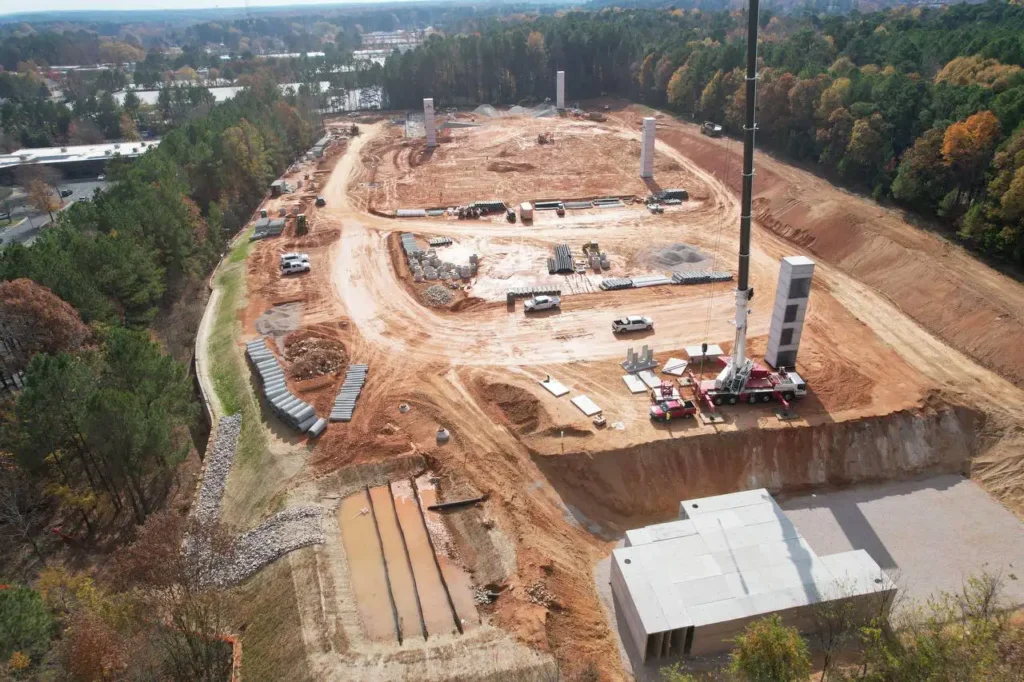
Stabilization shows up wherever a weak subgrade meets a load. This includes subdivision road bases, building pads for production builders,and more.
In North Carolina site development, soil stabilization is essential in commercial, residential, and infrastructure projects. It is heavily used in high-traffic areas such as commercial parking lots, industrial warehouse building pads, and residential subdivision roadways.
Highway expansions, airport runways, and other infrastructure projects rely on stabilization to prevent long-term problems. By transforming poor subgrades into durable platforms, the process ensures long-term stability for building foundations.
NC Regulatory and Environmental Context
Stabilization work is subject to the same North Carolina rules as other site work. The North Carolina Sedimentation Pollution Control Act (SPCA) of 1973 gives developers flexibility in choosing their methods. Still, it strictly prohibits visible mud and sediment from leaving a construction site or entering state waters.
If a project disturbs one acre or more of land, the financially responsible party must submit a formal Erosion and Sedimentation Control (E&SC) Plan. This plan must be submitted and approved at least 30 days before any land-disturbing activity begins.

What to Look for in an NC Soil Stabilization Contractor
When hiring a soil stabilization contractor in North Carolina, you want to consider several factors. These include:
NC General Contractors license
Whether the company sub-contracts the work
GPS-capability on equipment
Experience with North Carolina Terrain
Frequently Asked Questions About Soil Stabilization

Contact Us Today for All of Your Raleigh Soil Stabilization Services
Contact Wynn Site Development Today
Get a fast, reliable estimate from a team that delivers on time and on budget.
- 287+ Projects Completed
- On-Time Delivery
- Trusted by Developers
Simply fill out this form and one of our associates will be in touch.